
Training your dog is one of the most rewarding parts of being a pet parent. A well-trained dog is happier, safer, more confident, and easier to live with. Whether you just adopted a puppy or want to refine your older dog’s skills, these 20 essential dog training tips will help you build trust, communication, and lifelong good behavior.
1. Start Training Early
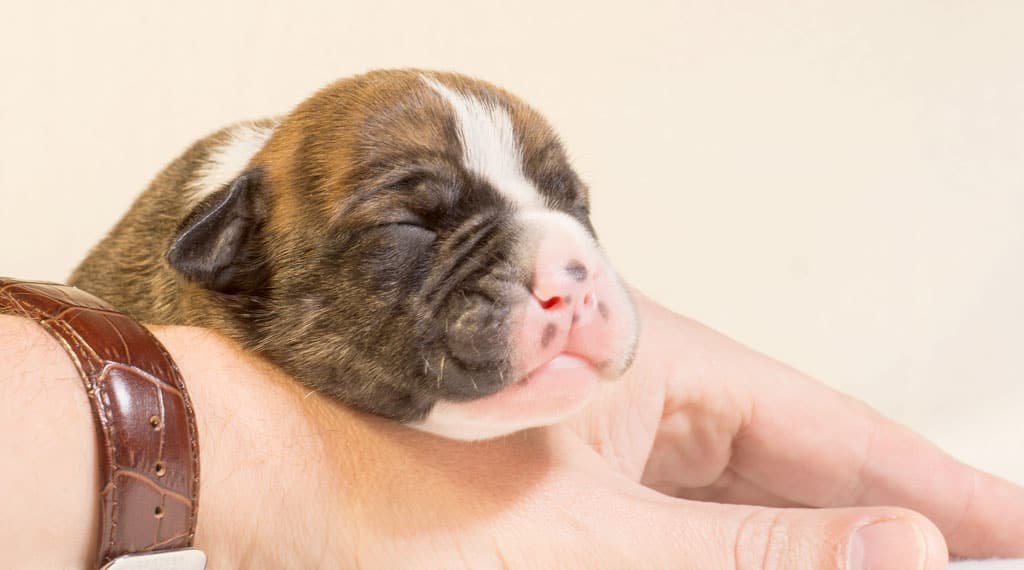
Puppies learn quickly! Begin teaching basic commands as soon as you bring your dog home. The best time to begin training is the moment your new dog walks through the door. Puppies are like little sponges—curious, alert, and eager to understand their world. Their brains develop rapidly during the first few months of life, making this the ideal window to introduce structure and basic commands. Puppies learn quickly! Begin teaching basic commands as soon as you bring your dog home.
But early training isn’t just for puppies. Even young adult dogs benefit from learning routines as soon as they enter your home. Start with simple cues such as “sit,” “come,” “stay,” and “leave it.” These foundational commands help your dog understand expectations and create a safe environment for them to explore and grow.
Teaching early also prevents unwanted habits from forming. Without guidance, dogs may naturally adopt behaviors like jumping, chewing, or pulling on the leash. By setting rules from day one, your dog learns what behavior is rewarded—and what isn’t.
Early training builds:
- Confidence
- Trust between you and your dog
- A predictable routine
- Better long-term behavior
Starting early sets the stage for a well-mannered, happy dog and makes future training much easier. If you lay the foundation now, you’ll enjoy a smoother, more enjoyable relationship with your furry companion for years to come.
2. Be Consistent
Use the same words, tone, and hand signals. Consistency prevents confusion. Consistency is one of the most important parts of successful dog training. Dogs learn through repetition and clear, predictable patterns. When your cues, reactions, and routines stay the same, your dog quickly understands what you expect—and what behaviors lead to rewards.
Consistency applies to everything you do during training:
• Use the same words for each command.
If one day you say “Down,” and the next day you say “Get off” or “Lay down,” your dog may become confused. Stick to one cue for each behavior.
• Use the same tone and body language.
Dogs read your gestures and voice more than your words. A steady, calm command works far better than a frustrated shout.
• Reinforce rules the same way every time.
If jumping on guests is not allowed, that rule applies to everyone and every situation. Allowing it “just this once” teaches your dog that the behavior sometimes works—and that inconsistency makes training harder.
• Make sure everyone in the household follows the same rules.
If one person lets the dog on the couch and another doesn’t, your dog won’t know which behavior is correct. When the whole family trains and rewards the same way, dogs learn faster and with less stress.
• Maintain a predictable routine.
Set regular times for feeding, walking, play, and training. Routines help your dog feel secure and make learning new commands easier because they know what to expect.
Being consistent isn’t about being strict—it’s about being clear. When your dog receives the same message every time, they gain confidence, learn more quickly, and feel more connected to you. Over time, consistency becomes the foundation for excellent behavior and a strong bond between you and your furry friend.
3. Use Positive Reinforcement
Reward good behavior with treats, praise, toys, or affection. Dogs repeat what gets rewarded. Positive reinforcement is one of the most effective—and kindest—ways to train your dog. Instead of focusing on what your dog does wrong, this method highlights and rewards what they do right. Dogs naturally repeat behaviors that earn them something enjoyable, so reinforcing good actions helps those behaviors become consistent habits.
How Positive Reinforcement Works
When your dog performs a behavior you like—sitting, staying calm, coming when called—you immediately reward them. That reward could be:
- A treat
- Verbal praise (“Good job!”)
- A favorite toy
- Gentle petting
- Playtime
- Anything your dog loves
The key is giving the reward right away so your dog clearly connects the behavior with the praise.
Why It Works So Well
Positive reinforcement builds trust. Instead of feeling scared or unsure, your dog feels confident and eager to learn. It transforms training into a fun activity rather than a stressful one.
Dogs trained with rewards often:
- Learn faster
- Show better focus
- Display fewer behavior problems
- Are happier and more enthusiastic during training
- Build a stronger bond with their owner
Choose High-Value Rewards
For difficult commands or distracting environments, use rewards your dog finds irresistible—soft treats, small pieces of chicken, or a special toy reserved just for training sessions.
Avoid Punishment
Punishing your dog for mistakes can create fear and confusion. It doesn’t teach the correct behavior; it only suppresses or delays learning. Positive reinforcement, on the other hand, teaches your dog exactly what you want them to do, making training clearer, faster, and more enjoyable.
Keep It Simple: Reward What You Want to See More Of
Every time your dog listens, behaves calmly, or follows a cue—celebrate it! Over time, the rewarded behaviors become your dog’s natural choice.
Positive reinforcement turns training into teamwork. Your dog learns because they want to, not because they fear the consequences. This approach builds a happier, more confident dog and a deeper connection between you both.
4. Keep Training Sessions Short
5–10 minutes is enough. Short, fun lessons keep your dog engaged. Dogs learn best when training sessions are brief, upbeat, and enjoyable. Most dogs—especially puppies—have short attention spans, so long lessons can lead to boredom, frustration, or distraction. Keeping each session between 5 and 10 minutes ensures your dog stays focused, motivated, and excited to participate.
Short sessions help prevent your dog from becoming overwhelmed. When learning feels manageable, your dog is more likely to approach the next lesson with enthusiasm rather than stress. You can even schedule multiple mini-sessions throughout the day rather than trying to fit everything into one long block.
Think of training as a game, not a chore. End each session on a positive note, preferably after your dog successfully performs a command. This not only boosts their confidence but also makes them eager for the next round.
By keeping training sessions short, fun, and predictable, your dog stays mentally fresh and more willing to learn. Remember: quality is far more important than the length of time you spend. A few focused minutes each day will always be more effective than one long, exhausting lesson.
5. Train Daily
A little daily practice helps your dog remember commands and learn faster. Daily training is one of the most powerful ways to help your dog learn quickly and retain good habits for life. Just a few minutes each day can make a dramatic difference in how your dog behaves, listens, and responds to you. Dogs thrive on repetition and routine, so practicing commands regularly reinforces what they’ve learned and helps new behaviors stick.
Training every day doesn’t mean long or difficult lessons—it simply means showing your dog that learning is a normal and enjoyable part of their daily life. You can incorporate training into ordinary moments: ask for a “sit” before meals, a “stay” before opening the door, or a “come” during playtime. These real-life opportunities teach your dog to listen even when they’re excited or distracted.
Consistent daily training also strengthens the bond between you and your dog. It becomes a special time where you focus on communicating, building trust, and celebrating progress together. As your dog grows more confident, you’ll notice improved manners, better impulse control, and a deeper connection.
Even on busy days, a quick 3–5 minute session is enough to keep their skills sharp. Think of training like brushing your teeth—small, frequent efforts lead to the best long-term results.
6. Use High-Value Treats
Soft, tasty treats motivate your dog—especially during difficult lessons. Daily training is one of the most powerful ways to help your dog learn quickly and retain good habits for life. Just a few minutes each day can make a dramatic difference in how your dog behaves, listens, and responds to you. Dogs thrive on repetition and routine, so practicing commands regularly reinforces what they’ve learned and helps new behaviors stick.
Training every day doesn’t mean long or difficult lessons—it simply means showing your dog that learning is a normal and enjoyable part of their daily life. You can incorporate training into ordinary moments: ask for a “sit” before meals, a “stay” before opening the door, or a “come” during playtime. These real-life opportunities teach your dog to listen even when they’re excited or distracted.
Consistent daily training also strengthens the bond between you and your dog. It becomes a special time where you focus on communicating, building trust, and celebrating progress together. As your dog grows more confident, you’ll notice improved manners, better impulse control, and a deeper connection.
Even on busy days, a quick 3–5 minute session is enough to keep their skills sharp. Think of training like brushing your teeth—small, frequent efforts lead to the best long-term results.
7. Socialize Early and Often
Introduce your dog to people, places, sounds, and other animals to prevent fear and aggression. Socialization is one of the most important steps in raising a confident, well-adjusted dog. From the moment your puppy or newly adopted dog comes home, they begin learning how to interpret the world around them. Early and frequent socialization teaches them that new experiences—people, places, sounds, and other animals—are safe and positive.
Dogs that are properly socialized are typically more relaxed, adaptable, and less fearful in unfamiliar situations. They’re also less likely to develop behavioral issues such as anxiety, reactivity, or aggression.
Start by introducing your dog to a variety of safe, controlled environments:
- People of different ages, sizes, and appearances
- Friendly, vaccinated dogs
- Car rides, elevators, and different surfaces
- Household noises like vacuums, doorbells, and kitchen sounds
- Grooming experiences such as brushing or nail handling
Keep each interaction calm, brief, and rewarding. Pair new experiences with treats, praise, or play so your dog forms positive associations.
For puppies, the first 3–4 months of life are a critical socialization window, but older dogs can—and should—continue learning too. Even adult rescue dogs benefit enormously from patient, gentle exposure to new situations at their own pace.
Consistent socialization builds a confident dog who can navigate the world without fear. The more positive experiences you offer early on, the easier it becomes for your dog to trust you and remain calm in everyday life.
8. Practice Basic Commands First
Before moving on to advanced tricks or challenging behavior work, it’s important to make sure your dog masters the essential basics. These foundational commands aren’t just cute—they play a major role in your dog’s safety, manners, and everyday communication with you.
Start with simple, reliable commands such as “sit,” “stay,” “come,” “down,” “leave it,” and “heel.” These cues help your dog understand how to behave in different situations and give you tools to manage their actions when life gets busy or unpredictable.
For example:
- “Sit” helps calm excitement.
- “Stay” teaches patience and impulse control.
- “Come” is crucial for safety during off-leash moments.
- “Leave it” prevents your dog from grabbing harmful items.
- “Heel” makes walks smoother and more enjoyable.
Once your dog learns these basics, everything else becomes easier. They develop better focus, improved listening skills, and a stronger sense of structure. Practicing these commands early also makes advanced training—like agility, leash refinement, or trick training—much more successful.
Keep sessions positive, rewarding, and clear. Repetition and consistency will help your dog understand what you’re asking and build confidence in their ability to follow your lead. Master the fundamentals first, and you’ll create a solid, dependable foundation that supports every future skill your dog learns. These form the foundation of good behavior.
9. Avoid Punishment
Yelling, hitting, or scolding creates fear—not obedience. Reward the behavior you want instead. When training your dog, it’s important to remember that punishment does more harm than good. Yelling, scolding, or using physical correction may stop the behavior in the moment, but it doesn’t teach your dog what to do instead. Instead, it often creates confusion, fear, and anxiety—feelings that can seriously damage your dog’s trust in you.
Dogs don’t misbehave out of spite. They act based on instinct, curiosity, excitement, or simply because they haven’t learned the correct behavior yet. Punishment doesn’t explain the right choice; it only tells them that something they did caused anger, without clear guidance on how to succeed next time.
Avoiding punishment allows you to:
- Build a stronger bond with your dog
- Create a calm and positive learning environment
- Prevent fear-based behaviors
- Encourage your dog to try, learn, and explore without worrying about being harmed
Instead of correcting mistakes harshly, redirect your dog toward the behavior you want and reward them for making the right choice. If they jump, ask for a “sit.” If they chew something they shouldn’t, offer an appropriate toy. If they pull on the leash, stop and wait for a loose leash before moving forward.
Positive training builds confidence and trust. Over time, your dog becomes more willing to listen, cooperate, and try new things because they know good choices lead to positive outcomes—not fear or punishment.
10. Train in Different Locations
Practice commands indoors, outdoors, and around distractions so your dog learns to obey anywhere. Dogs don’t automatically understand that a command learned in your living room also applies outdoors, at the park, or in a busy environment. This is why training in multiple locations—known as generalization—is essential for building reliable, real-world obedience.
Start training in a quiet, familiar place where your dog can focus. Once your dog consistently follows a command indoors, gradually move to new spaces: the backyard, the driveway, the front yard, a quiet sidewalk, and eventually more stimulating areas like parks or pet-friendly stores.
Each new location introduces different sights, sounds, scents, and distractions. As your dog practices commands in these varying environments, their ability to listen improves dramatically. They learn that “sit” means sit everywhere, not just at home.
When training in new places:
- Lower your expectations at first. Even a well-trained dog may struggle when the surroundings change.
- Use high-value treats to keep your dog’s attention.
- Start with simple commands, even if your dog already knows them well at home.
- Keep sessions short to prevent overwhelm.
- Reward generously when your dog succeeds in a challenging environment.
Training in different locations teaches your dog to stay connected with you wherever you go. This leads to better leash manners, a stronger recall, and calmer behavior around distractions. Over time, your dog becomes more adaptable, confident, and well-behaved in any setting.
11. Be Patient
Training takes time. Stay calm, even when your dog makes mistakes. Patience is one of the greatest gifts you can offer your dog during the training process. Just like humans, dogs learn at different speeds. Some grasp new commands instantly, while others need extra time, repetition, and reassurance. Staying patient helps your dog feel safe, supported, and confident as they learn.
Remember that your dog isn’t being stubborn or “difficult” when they struggle—training is a brand-new language for them. They’re trying to understand what you’re asking, and mistakes are a natural part of that learning journey. Getting frustrated or raising your voice can shut down their enthusiasm and make them anxious about training.
Instead, approach each session with calmness and understanding. Celebrate small victories, even if they seem minor. If your dog isn’t getting it, pause, take a deep breath, and try again with simpler steps or fewer distractions. Breaking commands into smaller parts can also help your dog grasp them more easily.
Patience builds trust. When your dog feels safe to try, fail, and try again without fear, they become more willing to learn and engage. Over time, your patience will pay off through improved behavior, better communication, and a deeper, stronger bond between you and your furry companion.
12. Exercise Before Training
A tired dog is calmer and more focused—especially energetic breeds. A dog with extra energy can have a hard time focusing during training sessions. When your dog is full of excitement or built-up tension, their mind is much more interested in exploring, sniffing, jumping, or playing than listening to commands. That’s why giving your dog a little exercise before training can make a huge difference.
A short walk, a quick game of fetch, or even a few minutes of play helps release pent-up energy and settles your dog into a calmer, more attentive mindset. Once that initial burst of energy is out, your dog becomes more receptive, more focused, and more willing to concentrate on learning.
Exercise before training doesn’t need to be intense—just enough to take the “edge” off. For high-energy breeds, a brisk walk or quick run might do the trick. For calmer breeds, a few minutes of play or light movement may be enough.
Benefits of pre-training exercise include:
- Improved focus and concentration
- Less frustration and distraction
- Reduced jumping, barking, or pulling
- A calmer mental state that supports learning
- Better impulse control during lessons
A dog that has burned off extra steam will be more engaged, more cooperative, and more motivated to earn rewards. Think of it like warming up the brain by warming up the body first.
13. Use Clear Hand Signals
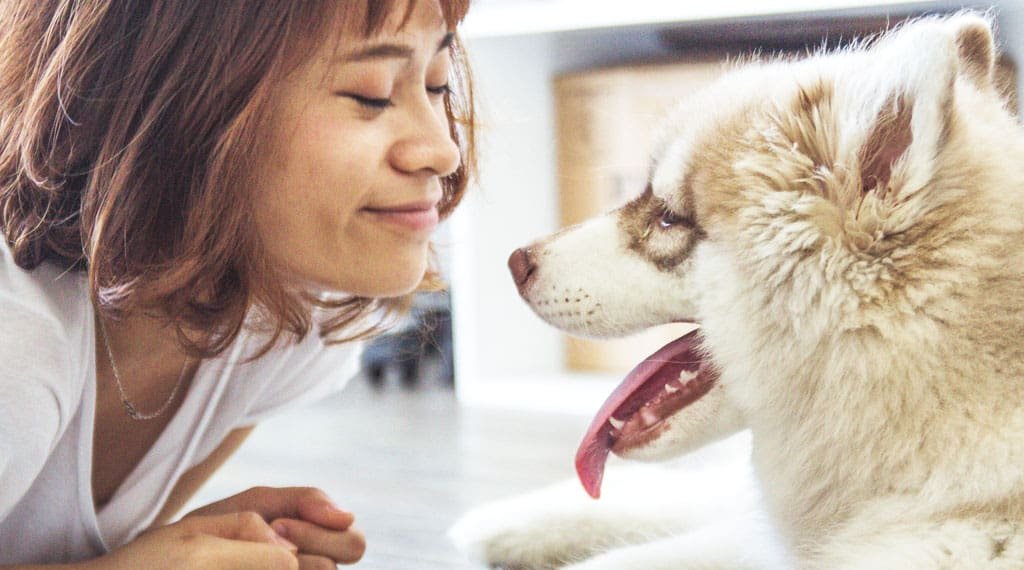
Dogs read body language better than words. Pair commands with gestures. Dogs are visual learners, and they often understand body language far better than spoken words. Using clear, consistent hand signals alongside your verbal commands helps your dog grasp what you’re asking more quickly and reliably. In many cases, dogs respond to hand cues even faster than voice cues because visual signals are easier for them to interpret.
Start by pairing each verbal command with a distinct, simple hand movement. For example:
- Sit: Raise your hand, palm up
- Stay: Open palm facing your dog
- Come: Hand motioned toward your body
- Down: Hand moving toward the ground
Make sure each signal is easy to repeat and not easily confused with other gestures. Consistency is key—use the same gesture every time so your dog associates that visual cue with a specific action.
Hand signals are especially helpful when:
- You’re in a noisy environment
- Your dog is far away
- Your dog is struggling to listen due to excitement
- You want to communicate quietly
- Your dog is older and beginning to lose hearing
Over time, many dogs begin responding to hand signals even without verbal cues. This gives you another powerful communication tool and makes training smoother in any setting.
Clear hand signals help your dog understand, focus, and feel confident in what you’re asking. When your visual cues are consistent and easy to read, your dog will perform commands more accurately and with less confusion.
14. Teach One Command at a Time
Don’t overwhelm your dog. Master one skill, then move to the next. When you introduce too many commands at once, your dog can quickly become overwhelmed or confused. Just like humans learning a new language, dogs absorb information best when it’s presented step-by-step. Teaching one command at a time ensures your dog fully understands each skill before moving on to the next.
Start with a simple command—like “sit”—and practice it until your dog can perform it consistently in different situations. Once your dog reliably responds, then introduce a new cue. This approach prevents frustration and builds confidence, because each success helps your dog feel capable and eager to learn more.
Teaching one command at a time also reduces mixed signals. If you switch between “down,” “stay,” “come,” and “leave it” in the same session before your dog has mastered any of them, the learning becomes jumbled. Focusing on a single behavior at a time keeps the message clear and helps your dog understand what you’re asking.
As your dog begins to master more commands, you can slowly combine skills—such as asking for a “sit” followed by a “stay.” But this should only happen once each individual command is well learned.
This step-by-step learning process creates a strong foundation and leads to more consistent, reliable obedience. Clear, focused teaching always gives better long-term results.
15. Reward Immediately
Dogs learn best when the reward comes the moment they do the correct action. Timing is everything in dog training. The moment your dog performs the behavior you want—even if it’s only a second long—you should reward them right away. Dogs learn by making connections, and the faster the reward follows the action, the clearer the lesson becomes.
If there is too much delay between the behavior and the reward, your dog may not understand what they’re being praised for. For example, if your dog sits and you reward them five seconds later, they may think the reward is for standing up, wagging their tail, or looking at you—not for sitting.
Immediate rewards help your dog recognize exactly which action earned the praise. This sharpens their understanding and speeds up their learning dramatically.
To reward instantly, keep treats or a toy within easy reach during training sessions. Use a happy, encouraging tone, and mark the correct behavior right away with a word like “Yes!” or the click of a clicker. That marker tells your dog: “The reward is coming because you did the right thing.”
Fast rewards lead to:
- quicker learning
- better focus
- fewer mistakes
- stronger confidence
- greater willingness to repeat good behaviors
Immediate reinforcement helps your dog understand cause and effect, making training smoother and more enjoyable for both of you. When your dog sees that good choices bring instant rewards, they’ll try harder and respond more eagerly every time.
16. Understand Your Dog’s Breed
Some breeds are independent, others eager to please. Tailor training to your dog’s personality. Every dog breed has its own personalities, instincts, and natural behaviors—and understanding these traits can make training much more effective. While every dog is an individual, breed tendencies can influence how quickly they learn, what motivates them, and what types of behaviors come naturally.
Some breeds, like Border Collies, Poodles, and German Shepherds, are highly intelligent and eager to work. They pick up commands quickly but also need plenty of mental stimulation to stay happy. Other breeds, such as Beagles, Huskies, or Terriers, may be more independent or driven by their instincts, which means training may require more patience and creativity.
Understanding your dog’s breed helps you:
- Choose the right training style (some dogs respond better to toys than treats)
- Set realistic expectations for progress
- Identify natural behaviors like herding, digging, or chasing
- Tailor exercise needs to their energy level
- Provide the right mental challenges
- Avoid frustration by working with, not against, your dog’s instincts
For mixed-breed or rescue dogs, pay attention to your dog’s personality and energy level—they will tell you just as much as a pedigree would.
The more you understand your dog’s natural tendencies, the easier it becomes to guide their behavior and set them up for success. Training becomes smoother because you’re not trying to change who they are—you’re teaching them in a way that aligns with their strengths.
17. Avoid Overfeeding During Training
Break treats into tiny pieces or use training-specific mini treats. Treats are an incredible tool for teaching new behaviors—but too many treats can add up quickly. Dogs don’t need large amounts of food to feel rewarded; in fact, small bites work best during training. The goal is to motivate your dog, not to fill them up.
During training, it’s easy to lose track of how many treats your dog eats, especially when you’re practicing several repetitions of a command. Over time, this can lead to unwanted weight gain, digestive issues, or a dog who becomes more interested in snacks than in learning.
To avoid overfeeding:
- Use tiny treat pieces—no bigger than a pea.
- Break larger treats into small bits to stretch one treat into many rewards.
- Choose low-calorie training treats designed for frequent use.
- Balance treat intake with regular meals by slightly reducing their food portion on intensive training days.
- Mix in non-food rewards such as praise, toys, petting, or playtime.
Remember: your dog is motivated by the experience, not the size of the treat. A tiny reward delivered at exactly the right moment feels just as exciting as a larger bite. Keeping treat portions small ensures that your dog stays healthy, energetic, and ready to learn without packing on extra weight.
By being mindful of treat quantity, you can train often and reward generously—without compromising your dog’s health.
18. Practice Impulse Control
Teach commands like “wait,” “leave it,” and “stay” to encourage patience and calm behavior. Impulse control is one of the most valuable skills you can teach your dog. It helps them stay calm, make better choices, and resist acting on instinct—like jumping on guests, grabbing food, darting out the door, or pulling toward distractions. A dog with strong impulse control is safer, better behaved, and much easier to live with.
Impulse control isn’t something dogs naturally understand. It’s a learned skill that develops through patience, repetition, and clear expectations. Simple exercises can help your dog learn to slow down, think, and wait for permission before acting.
Here are a few effective impulse control practices:
- “Wait” at doors or gates—teach your dog to pause before going outside.
- “Leave it”—a powerful cue that prevents them from grabbing food, objects, or unsafe items.
- “Stay”—helps your dog remain still until released.
- Feeding calmness—ask for a “sit” before placing their bowl down.
- Controlled greeting—reward your dog for sitting politely instead of jumping on people.
Keep sessions short and celebrate every moment of patience your dog shows, even if it lasts only a second at first. Over time, those seconds turn into longer, more consistent self-control.
Practicing impulse control helps your dog develop emotional maturity. They learn that calm behavior leads to rewards, attention, and fun. This skill becomes a lifelong foundation for good manners in every situation—whether at home, on walks, or around other dogs.
19. End on a Positive Note
Finish each session with an easy command your dog can do successfully—and lots of praise. How you finish a training session matters just as much as how you start it. Ending on a positive note helps your dog walk away feeling confident, successful, and eager to come back for the next lesson. When your dog finishes training with a win—no matter how small—they associate learning with fun, rewards, and quality time with you.
If your dog is struggling with a command, don’t end the session right after a mistake. Instead, switch to something they already know well—like “sit” or “touch”—and reward them generously for getting it right. This resets their mindset and prevents frustration for both of you.
A positive ending can include:
- A simple command your dog loves to perform
- Praise and excitement in your voice
- A high-value treat or a favorite toy
- A quick game or cuddle session
- A cheerful “Good job!” that makes your dog feel proud
Closing each session with success builds your dog’s motivation and keeps training enjoyable rather than stressful. It reinforces the idea that learning is something to look forward to—not fear or avoid.
Over time, this creates a dog who is more willing to participate, more confident in trying new skills, and more connected to you. Ending with positivity turns training into an uplifting experience for both human and dog.
20. Have Fun & Build Your Bond
Training is not just about discipline—it strengthens trust, communication, and love between you and your dog. Training shouldn’t feel like a chore—for you or your dog. The most successful training sessions happen when both of you are enjoying the process. When training is infused with fun, playfulness, and genuine connection, your dog becomes more eager to learn and far more responsive to what you’re teaching.
Dogs learn best when they’re relaxed and happy. Incorporating games, praise, and moments of laughter strengthens the emotional bond between you and your dog. That bond becomes the foundation of trust—your dog listens not just because you offer treats, but because they feel safe, loved, and connected to you.
Make training something your dog looks forward to:
- Use cheerful, encouraging tones
- Mix in play breaks or quick games of fetch
- Celebrate every success—big or small
- Keep sessions upbeat and pressure-free
- Be animated, silly, and expressive—dogs love it
Beyond commands, training is a communication tool. It teaches your dog how to read you, trust your guidance, and participate in building a shared rhythm. The more fun you infuse into this time together, the deeper your relationship grows.
Remember, you’re not just teaching behaviors—you’re shaping a lifelong partnership. When training becomes a joyful experience, you and your dog create memories, strengthen your connection, and build a bond that makes every lesson easier and every moment together more meaningful.
Final Thoughts
A trained dog is a safe, confident, and well-mannered companion. With patience, consistency, and lots of positive reinforcement, you can shape your dog into the best version of themselves.
At greatpetworld.com, we believe every dog deserves a loving, structured, and joyful life. Start with these 20 simple tips and watch your dog’s transformation!
I love training my dog.
How to choose the right pet for adoption –
How to prepare your house for a rescue pet –
Adopting a pet is a beautiful act of compassion—but it’s also a lifelong responsibility. Pets depend on us for safety, food, love, and stability. Before adopting, think about your lifestyle: Do you have time for daily care, exercise, and bonding? Can you afford long-term vet visits, food, grooming, and emergencies?
Choosing adoption means saving a life. Millions of shelter animals wait every day for someone to give them a chance. Many are already trained, affectionate, and ready to be part of your family.
Before bringing your pet home, make sure the environment is safe—remove hazards, set up a cozy bedding area, prepare food bowls, toys, and litter or leashes. Once they arrive, be patient. Some shelter pets have experienced fear or trauma and need time to adjust.
Love, routine, and gentle guidance help your new companion feel secure. And the bond you build will become one of the most rewarding relationships of your life.
At greatpetworld.com, we believe every pet deserves comfort, safety, and a loving home—because not just humans need one.